Cegin Cymreig · A Welsh Kitchen

Welsh Cooking Without Vegetable Oil

Cawl from the hills, rarebit from the valleys, cakes hot off the bakestone. Six honest Welsh recipes made the old way, with salted butter, lard, and olive oil. Not a drop of seed oil in any of them.

Browse the Recipes
Menyn

Salted Butter First

Menyn is the Welsh word for butter, and it is where nearly every recipe here begins. Good salted butter carries the flavor of cawl, rarebit, and bara brith alike.

Y Planc

Patience on the Bakestone

The planc is the flat iron bakestone of the Welsh kitchen. Low heat, a film of butter and lard, and no hurry. It is a technique, and it rewards the patient cook.

Dim Olew

Never Seed Oils

You will not find vegetable oil on this site. We cook only with butter, lard, tallow, ghee, olive oil, and coconut oil, the fats a Welsh farmhouse would recognize.

O'r Mynydd i'r Môr · From Mountain to Sea

Six Welsh Recipes, Cooked Properly

The dishes Wales is known for, tested in an ordinary home kitchen and written down step by step. Every one relies on traditional whole fats and nothing else.
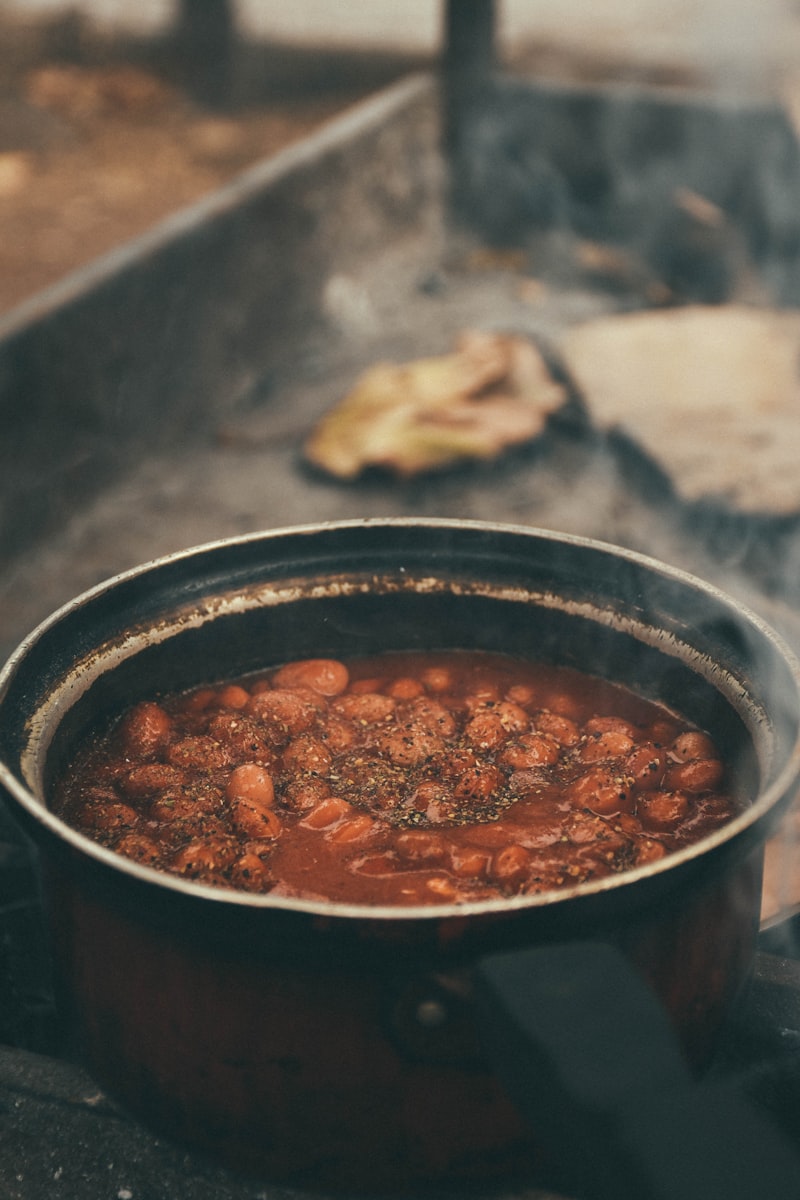
Cawl simmering in a heavy pot

Cawl Cymreig

2 hr 45 min6 servingsEasy

The national dish of Wales, a slow simmered broth of lamb, leeks, and root vegetables. Tradition says it tastes even better on the second day, and tradition is right.
Ingredients

  • 700g lamb neck or shoulder, cut into chunks
  • 1 tbsp beef dripping or salted butter
  • 3 leeks, white and green parts, sliced
  • 400g potatoes, peeled and cubed
  • 1 small swede, peeled and cubed
  • 3 carrots, thickly sliced
  • 1 parsnip, diced
  • 2 liters lamb or beef stock
  • 2 bay leaves and 4 sprigs fresh thyme
  • Salt and black pepper to taste
  • Chopped parsley and crumbled Caerphilly cheese to serve

Instructions

  1. Melt the dripping in a large heavy pot over medium heat. Brown the lamb in batches until well colored on all sides.
  2. Return all the lamb to the pot with the stock, bay leaves, and thyme. Bring to a gentle simmer, skim any foam, and cook 1 hour 30 minutes.
  3. Add the swede, carrots, parsnip, and potatoes. Simmer 25 minutes.
  4. Add the leeks and cook 15 minutes more, until the lamb is spoon tender and the vegetables are soft.
  5. Season with salt and pepper. If you can, cool and rest the cawl overnight, then lift off the settled fat and save it for frying.
  6. Reheat gently, scatter with parsley, and serve with crusty bread and crumbled Caerphilly.
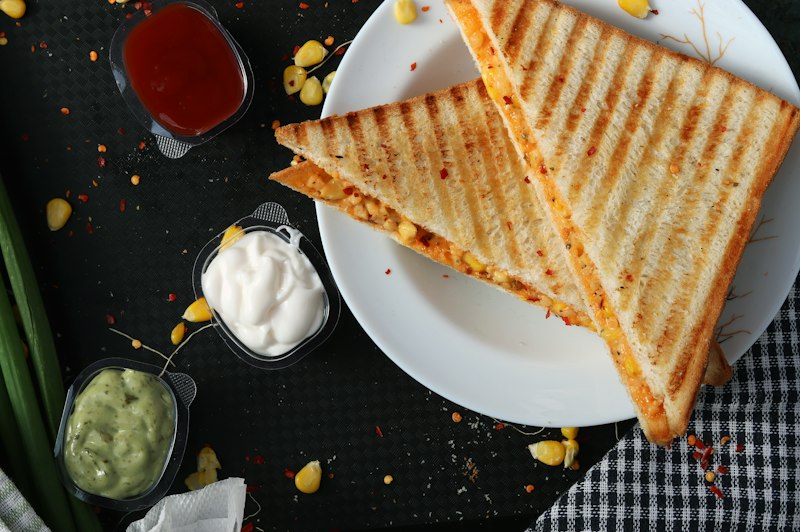
Golden toasted Welsh rarebit

Welsh Rarebit

25 min4 servingsEasy

The proper toasted cheese of Wales. A mustardy ale and cheese sauce, spread thick over farmhouse toast and grilled to a blistered gold.
Ingredients

  • 4 tbsp salted butter, divided
  • 2 tbsp plain flour
  • 150ml Welsh ale or other amber ale
  • 1 tsp English mustard
  • 1 tbsp Worcestershire sauce
  • 225g mature cheddar or Caerphilly, grated
  • 1 egg yolk
  • 4 thick slices sourdough or farmhouse bread
  • Pinch of cayenne pepper
  • Black pepper to taste

Instructions

  1. Melt 2 tbsp of the butter in a saucepan over medium heat. Stir in the flour and cook 2 minutes to a smooth paste.
  2. Whisk in the ale a little at a time until you have a thick, glossy sauce.
  3. Off the heat, stir in the mustard, Worcestershire sauce, and cheese until melted. Cool slightly, then beat in the egg yolk and cayenne.
  4. Toast the bread on both sides and spread with the remaining butter.
  5. Spread the cheese sauce thickly over each slice, right to the edges, and grill 3 to 4 minutes until blistered and deep golden. Finish with black pepper and serve at once.
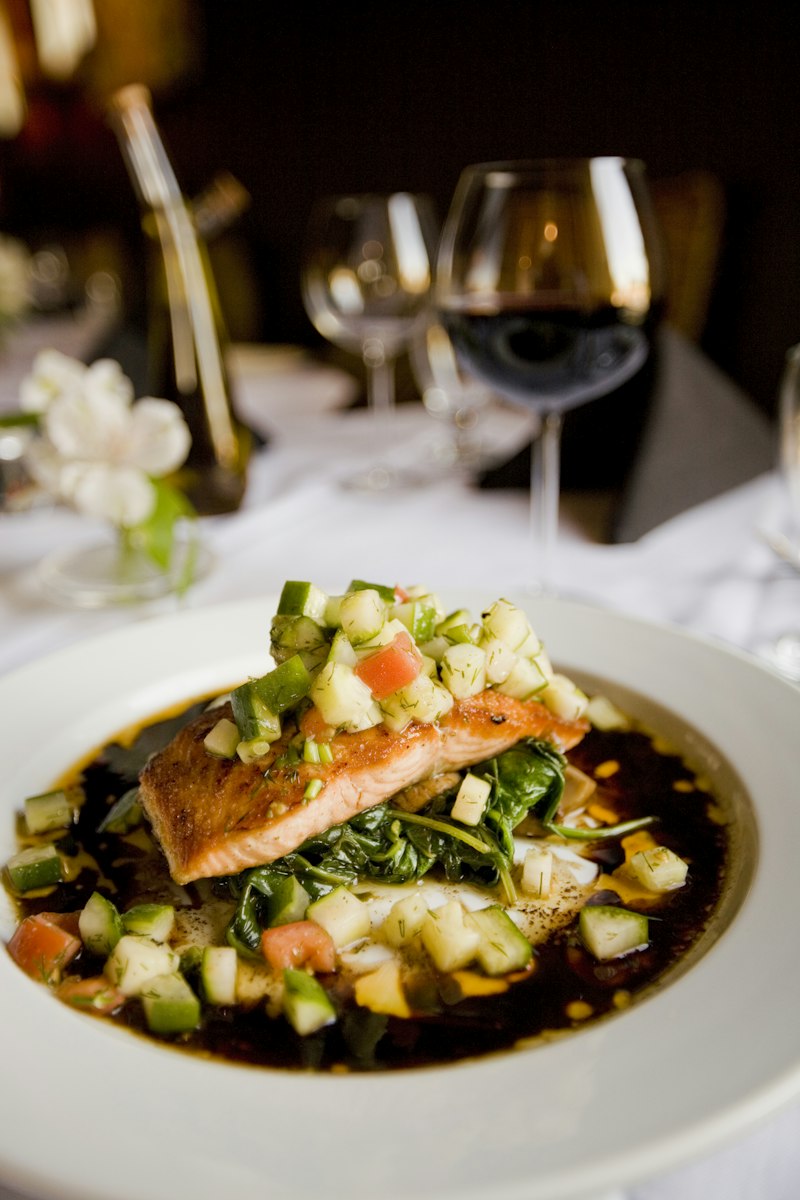
Pan seared sea bass fillet

Sea Bass with Laverbread Butter

25 min2 servingsMedium

Crisp skinned sea bass basted in foaming butter, finished with laverbread, the cooked laver seaweed of the Welsh coast, and a squeeze of lemon.
Ingredients

  • 2 sea bass fillets, skin on
  • 4 tbsp salted butter, divided
  • 1 tsp olive oil
  • 2 tbsp laverbread (cooked laver seaweed)
  • 1 clove garlic, crushed
  • Zest and juice of 1 lemon
  • Handful of samphire or baby spinach
  • Sea salt to taste
  • Black pepper to taste

Instructions

  1. Pat the fillets very dry, score the skin lightly, and season with sea salt.
  2. Heat 1 tbsp butter with the olive oil in a heavy pan until foaming. Lay the fish in skin side down and press flat for the first 30 seconds. Cook 4 minutes without moving.
  3. Flip and cook 1 minute more, then lift the fish onto warm plates.
  4. Lower the heat and add the remaining butter, garlic, laverbread, lemon zest, and juice. Swirl until warmed through and glossy.
  5. Add the samphire to the pan for a minute until just wilted.
  6. Spoon the laverbread butter and greens over the fish, grind over pepper, and serve.
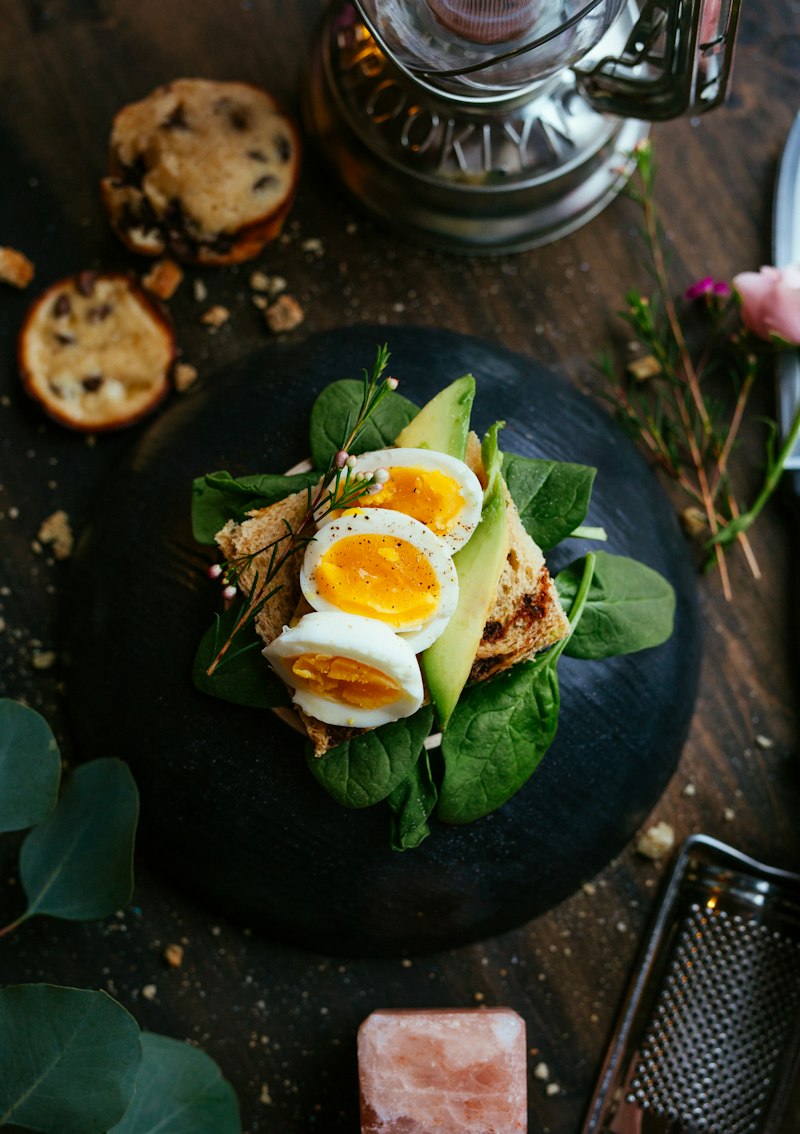
Halved boiled eggs with greens on slate

Anglesey Eggs (Wyau Ynys Môn)

50 min4 servingsEasy

A homely island supper of leek mashed potatoes and halved eggs baked under a bubbling Caerphilly cheese sauce. Simple food, done with care.
Ingredients

  • 6 eggs, hard boiled and halved
  • 700g potatoes, peeled and quartered
  • 2 leeks, finely sliced
  • 5 tbsp salted butter, divided
  • 2 tbsp plain flour
  • 300ml whole milk
  • 120g Caerphilly or mature cheddar, grated
  • Pinch of nutmeg
  • Salt and white pepper to taste
  • 2 tbsp breadcrumbs, optional, for the top

Instructions

  1. Boil the potatoes until tender. Meanwhile, soften the leeks slowly in 2 tbsp butter until silky, about 10 minutes.
  2. Mash the potatoes with 1 tbsp butter, fold in the leeks, and season. Spread into a buttered baking dish and nestle in the egg halves, cut side up.
  3. For the sauce, melt the remaining 2 tbsp butter, stir in the flour, and cook 2 minutes. Whisk in the milk gradually and simmer until thickened.
  4. Off the heat, stir in most of the cheese with the nutmeg. Season to taste.
  5. Pour the sauce over the dish and top with the remaining cheese and breadcrumbs.
  6. Bake at 200C (400F) for 15 to 20 minutes until golden and bubbling. Rest 5 minutes before serving.
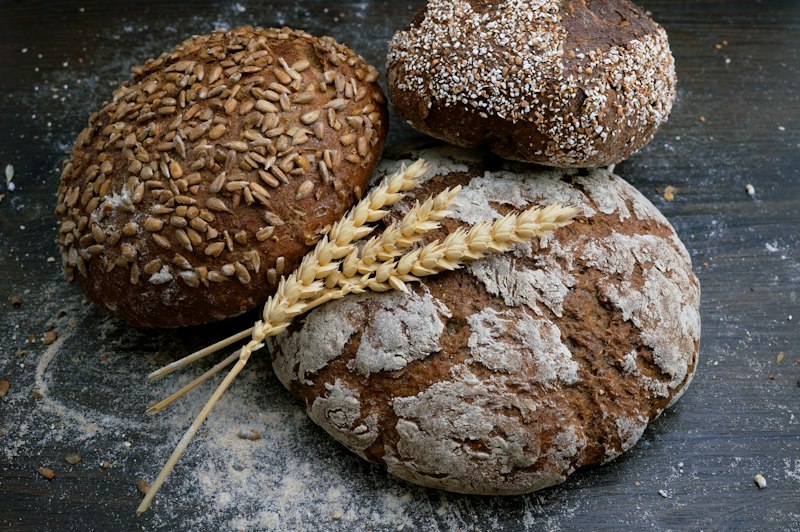
Rustic loaf of bara brith

Bara Brith

1 hr 30 min + overnight soak10 slicesEasy

The classic Welsh tea loaf. Dried fruit plumped overnight in hot black tea, baked into a dark, fragrant "speckled bread" and served in thick buttered slices.
Ingredients

  • 300ml hot, strong black tea
  • 350g mixed dried fruit
  • 100g dark brown sugar
  • 275g self raising flour
  • 1 large egg, beaten
  • 2 tsp mixed spice
  • Zest of 1 orange
  • Pinch of salt
  • Salted butter, for the tin and to serve
  • 1 tbsp honey, optional, to glaze

Instructions

  1. The night before, put the dried fruit and sugar in a bowl, pour over the hot tea, stir, cover, and leave to soak overnight.
  2. Heat the oven to 170C (340F). Butter and line a 900g loaf tin.
  3. Stir the egg, flour, mixed spice, orange zest, and salt into the fruit and its liquid until just combined.
  4. Scrape into the tin and bake about 1 hour 15 minutes, until a skewer comes out clean. Cover loosely with foil if it browns too fast.
  5. Brush the warm loaf with honey if using. Cool in the tin 10 minutes, then turn out onto a rack.
  6. Serve in thick slices, generously spread with salted butter.
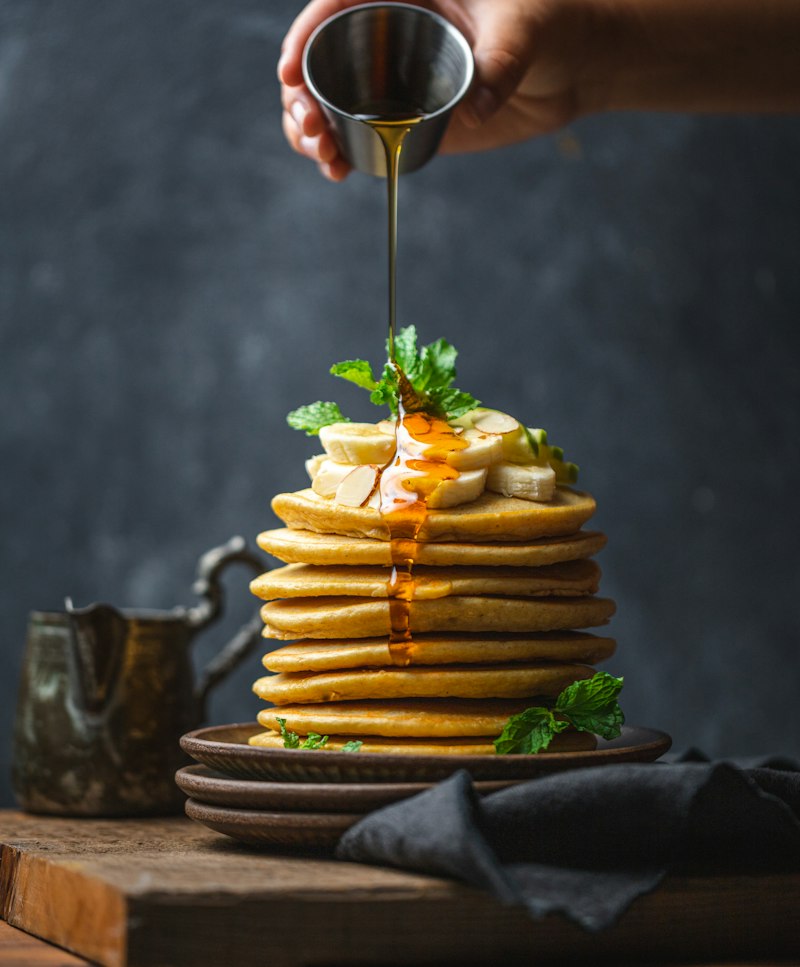
Stack of griddle cakes

Welsh Cakes (Pice ar y Maen)

40 minAbout 20 cakesEasy

Little spiced currant cakes cooked on the bakestone in butter and lard, then dusted with sugar while still warm. Best eaten the day they are made.
Ingredients

  • 225g self raising flour
  • 55g cold salted butter, cubed, plus more for the griddle
  • 55g cold lard, cubed
  • 85g caster sugar, plus extra to dust
  • 55g currants
  • 1 egg, beaten
  • Half tsp mixed spice
  • Pinch of salt
  • Splash of milk, if needed

Instructions

  1. Rub the cold butter and lard into the flour with your fingertips until it looks like fine crumbs.
  2. Stir in the sugar, spice, salt, and currants. Bind with the beaten egg, adding a splash of milk only if the dough will not come together.
  3. Roll out to about 6mm thick and cut into 6cm rounds.
  4. Heat a bakestone or heavy cast iron pan over medium low heat and film it with butter.
  5. Cook the cakes about 3 minutes per side until deep golden and cooked through, working in batches.
  6. Dust with caster sugar while warm. Eat the same day, ideally still warm from the planc.
Breakfast served on a slate board

Ein Cegin · Our Kitchen

Our Kitchen

Cegin is the Welsh word for kitchen, and this site is exactly that: a small editorial kitchen devoted to the traditional food of Wales, written in plain English for home cooks everywhere.

Every recipe here is cooked the way it would have been before refined seed oils reached the pantry. Salted butter, lard, beef dripping, and good olive oil do all the work, because that is how these dishes were built to taste.

We test each recipe in an ordinary home kitchen, with ordinary equipment, and we write down what actually works. Nothing fancy, nothing rushed. Croeso, and happy cooking.